家 > ニュース > It seems your message might be incomplete. Could you please clarify or provide more details about what you need help with? Whether it's a question, a problem, or something else, I'm here to assist! 😊
It seems your message might be incomplete. Could you please clarify or provide more details about what you need help with? Whether it's a question, a problem, or something else, I'm here to assist! 😊
- By Ethan
- Apr 06,2026
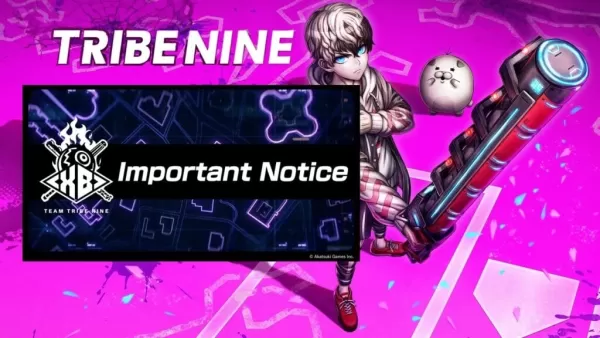
It's truly disappointing to see Tribe Nine — a game that showcased strong art direction, a compelling narrative setup, and a fresh take on the gacha RPG genre — shut down just months after launch. The sudden End of Service (EOS) announcement on November 27, 2025, comes as a blow to players who were invested in its world and story, especially with Chapter 4 of the main plot being scrapped.
Why Did Tribe Nine Fail So Quickly?
Here’s a deeper look at the likely reasons behind its early cancellation:
🔹 Unbalanced Monetization Model
Despite being free-to-play, Tribe Nine failed to generate sustainable revenue. The core issue? Too little incentive to spend.
- Players could build powerful teams with just one gacha pull — a design choice that prioritized player accessibility but undermined long-term monetization.
- Duplicate units were not useful, meaning players had no reason to keep pulling or spending on extras.
- Without a compelling "why" to spend money (e.g., meta-defining characters, progression locks, or limited-time events), the gacha system didn’t drive meaningful revenue.
💡 This is a classic case of "too generous to monetize" — a common pitfall in free-to-play games that over-prioritize player satisfaction over revenue sustainability.
🔹 Slow Content Progression
The game launched with only one story chapter and one event in three months, which is unusually slow for a mobile RPG aiming to retain players.
- Lack of regular updates meant players had little reason to return daily.
- In contrast, successful games like Genshin Impact or Honkai: Star Rail release major content every 1–2 months, keeping momentum high.
Without consistent updates, player retention dropped fast — and retention is key for gacha games.
🔹 High Development Costs, Low Player Base
- Tribe Nine was developed by Akatsuki Games, known for Genshin Impact’s original team members (though not officially part of miHoYo). The game had high production values, including cinematic animations, detailed character designs, and a rich lore — all expensive to produce.
- However, it failed to attract a large enough player base to justify those costs.
- With player churn accelerating and revenue falling short, the business model simply couldn't sustain operations.
🔹 Missed Strategic Opportunities
- The game had strong narrative hooks in Chapter 3, with major plot twists and hints about the fate of the "Nine Tribes."
- Fans were excited about future characters like Ichinosuke and Saizo Akiba, who were confirmed to be coming — but now, those plans are dead.
- The cancellation of the Revenio Support Contract and removal of all future content (including refunds for Enigma Entities) adds to the sense of betrayal — players were promised long-term value, only to have it vanish.
What’s Next for Players?
- You can still play until November 27, 2025.
- Refunds will be issued for unused Enigma Entities (on items like Armed Support, Revenio, etc.) — a rare but welcome gesture.
- No new purchases allowed, so don’t waste money on Daily Passes or in-game currency.
- The game’s open world, combat mechanics, and soundtrack remain a testament to what could have been.
Final Thoughts
Tribe Nine wasn’t a bad game — it was too well-made for its own survival in today’s hyper-competitive mobile RPG market. Its focus on player experience over monetization, artistic ambition, and narrative depth were admirable, but not enough to overcome the harsh economics of the free-to-play model.
It’s a cautionary tale: Great games can fail not because they’re flawed, but because they’re too fair, too generous, or too slow to monetize.
For fans, it’s a bittersweet farewell. But for the industry, it’s a reminder that balance between creativity and sustainability is everything.
🎮 If you haven’t played it yet — grab it on Android, iOS, or Steam before it’s gone. It might be one of the last great, short-lived indie RPGs we’ll see for a while.
And if you're looking for more similar stories, don’t miss our coverage of Square Enix’s cancellation of Kingdom Hearts: Missing-Link — another case of a beloved IP losing momentum due to shifting priorities and business realities.
Stay tuned for more updates on the evolving mobile gaming landscape.
最新ニュース
もっと >-
-
-
-

- 2025年最速PS5 SSD:M.2ドライブランキング
- Apr 01,2026
-