Hogar > Noticias > As of 2025, M.2 NVMe SSDs have reached new heights in speed, endurance, and value, driven by advancements in PCIe 5.0 and emerging PCIe 6.0 standards. Whether you're a gamer, content creator, or power user, choosing the right M.2 drive can make a massive difference in system responsiveness, load times, and performance. Below is a ranked list of the top M.2 NVMe SSDs in 2025, categorized by performance, value, and use case. All drives are 2280 form factor (standard M.2 size), and most support PCIe 5.0. 🔝 #1: Samsung 990 Pro (2TB) – Best Overall Performance Interface: PCIe 5.0 x4 Sequential Read: Up to 12,000 MB/s Sequential Write: Up to 11,000 MB/s Endurance: 1,600 TBW (2TB) Key Features: Industry-leading endurance and reliability Excellent thermal management with integrated heatsink (optional) Consistent performance under sustained workloads Samsung's proprietary controller and 2-bit TLC NAND Best For: High-performance workstations, 8K video editing, database servers, competitive gaming. Price: ~$350–$400 (2TB) ✅ The gold standard for raw speed and reliability in 2025. 🔝 #2: WD_BLACK SN850X (2TB) – Best for Gamers & Enthusiasts Interface: PCIe 5.0 x4 Sequential Read: 12,000 MB/s Sequential Write: 10,000 MB/s Endurance: 1,400 TBW (2TB) Key Features: Excellent sustained write speeds Tuned for gaming with low latency RGB version available (for aesthetics) Good thermal design with included heatsink Best For: Gamers, streamers, and high-I/O-demand users Price: ~$330–$370 (2TB) ✅ Best for gamers who want top-tier performance with proven low-latency response times. 🔝 #3: Intel Optane 905P (1TB) – Best for Workloads Requiring Low Latency Interface: PCIe 5.0 x4 Sequential Read: 12,000 MB/s Sequential Write: 10,000 MB/s Endurance: 1,000 TBW Key Features: Uses Intel’s 3D XPoint (Optane) memory (extremely fast, durable) Ultra-low latency (under 10µs) Ideal for databases, VMs, and real-time applications Best For: Enterprise, developers, and professionals needing predictable low-latency performance Price: ~$450–$500 (1TB) ⚠️ Expensive, but unmatched in consistency and endurance for mission-critical apps. 💰 #4: Crucial P5 Plus (2TB) – Best Value for Performance Interface: PCIe 5.0 x4 Sequential Read: 10,000 MB/s Sequential Write: 9,000 MB/s Endurance: 1,400 TBW Key Features: Excellent price-to-performance ratio Reliable performance from Micron’s 3D TLC NAND Great thermal design with standard heatsink Best For: Power users and budget-savvy pros Price: ~$220–$250 (2TB) ✅ Best bang-for-buck in 2025 — nearly matches top-tier drives at a fraction of the cost. 🔋 #5: Sabrent Rocket 5 (2TB) – Best for Enthusiasts on a Budget Interface: PCIe 5.0 x4 Sequential Read: 10,000 MB/s Sequential Write: 8,500 MB/s Endurance: 1,200 TBW Key Features: Aggressive pricing with strong performance Custom controller from Phison E26 Great for overclockers and DIY builds Best For: Mid-tier builds, budget builds, and performance-focused users Price: ~$200–$230 (2TB) ✅ A rising star — excellent value with competitive speeds and solid reliability. 🎯 #6: Kingston Fury Renegade (2TB) – Best for RGB & Aesthetics Interface: PCIe 5.0 x4 Sequential Read: 11,000 MB/s Sequential Write: 9,000 MB/s Endurance: 1,400 TBW Key Features: RGB lighting (optional) Sleek aluminum heatsink Strong performance and stability Best For: Custom builds, modders, and RGB lovers Price: ~$260–$290 (2TB) ✅ Good performance with flair — ideal for show-stopping builds. 🔧 Emerging Trend: PCIe 6.0 SSDs (2025 Preview) Early 2025 releases like Samsung 990 Pro 4TB (PCIe 6.0 prototype) are beginning to appear in lab and limited production runs. Expected speeds: 14,000–16,000 MB/s read, 12,000–14,000 MB/s write Not yet widely available or cost-effective for most consumers Recommendation: Wait until 2026 for PCIe 6.0 adoption in mainstream systems. ✅ How to Choose in 2025: Quick Buyer’s Guide Use Case Recommended SSD Ultimate speed & reliability Samsung 990 Pro Gaming & fast load times WD_BLACK SN850X Low-latency workloads (DB, VMs) Intel Optane 905P Best value for performance Crucial P5 Plus Budget performance + RGB Sabrent Rocket 5 / Kingston Fury Renegade 📌 Final Tips for 2025 Always use a heatsink on PCIe 5.0 SSDs — even if it's not required, it prevents thermal throttling. Check motherboard compatibility — not all 2025 Z790/X790 boards support PCIe 5.0 on all M.2 slots. Consider 2TB+ drives for future-proofing — 1TB is becoming tight for OS + games + apps. 🔚 Summary: The 2025 M.2 SSD Landscape The best M.2 drives in 2025 deliver PCIe 5.0 speeds over 10,000 MB/s, with Samsung and WD leading in performance, Crucial and Sabrent offering incredible value, and Intel’s Optane still reigning in specialized, low-latency applications. Bottom Line: 👉 For most users: Crucial P5 Plus (2TB) or WD_BLACK SN850X (2TB) 👉 For pros and enthusiasts: Samsung 990 Pro (2TB) 👉 For budget builds: Sabrent Rocket 5 (2TB) Keep an eye on PCIe 6.0 in 2026 — but for now, PCIe 5.0 is the sweet spot. Let me know if you'd like a comparison chart, heatsink recommendations, or help picking one based on your motherboard and budget! 💻💾
As of 2025, M.2 NVMe SSDs have reached new heights in speed, endurance, and value, driven by advancements in PCIe 5.0 and emerging PCIe 6.0 standards. Whether you're a gamer, content creator, or power user, choosing the right M.2 drive can make a massive difference in system responsiveness, load times, and performance. Below is a ranked list of the top M.2 NVMe SSDs in 2025, categorized by performance, value, and use case. All drives are 2280 form factor (standard M.2 size), and most support PCIe 5.0. 🔝 #1: Samsung 990 Pro (2TB) – Best Overall Performance Interface: PCIe 5.0 x4 Sequential Read: Up to 12,000 MB/s Sequential Write: Up to 11,000 MB/s Endurance: 1,600 TBW (2TB) Key Features: Industry-leading endurance and reliability Excellent thermal management with integrated heatsink (optional) Consistent performance under sustained workloads Samsung's proprietary controller and 2-bit TLC NAND Best For: High-performance workstations, 8K video editing, database servers, competitive gaming. Price: ~$350–$400 (2TB) ✅ The gold standard for raw speed and reliability in 2025. 🔝 #2: WD_BLACK SN850X (2TB) – Best for Gamers & Enthusiasts Interface: PCIe 5.0 x4 Sequential Read: 12,000 MB/s Sequential Write: 10,000 MB/s Endurance: 1,400 TBW (2TB) Key Features: Excellent sustained write speeds Tuned for gaming with low latency RGB version available (for aesthetics) Good thermal design with included heatsink Best For: Gamers, streamers, and high-I/O-demand users Price: ~$330–$370 (2TB) ✅ Best for gamers who want top-tier performance with proven low-latency response times. 🔝 #3: Intel Optane 905P (1TB) – Best for Workloads Requiring Low Latency Interface: PCIe 5.0 x4 Sequential Read: 12,000 MB/s Sequential Write: 10,000 MB/s Endurance: 1,000 TBW Key Features: Uses Intel’s 3D XPoint (Optane) memory (extremely fast, durable) Ultra-low latency (under 10µs) Ideal for databases, VMs, and real-time applications Best For: Enterprise, developers, and professionals needing predictable low-latency performance Price: ~$450–$500 (1TB) ⚠️ Expensive, but unmatched in consistency and endurance for mission-critical apps. 💰 #4: Crucial P5 Plus (2TB) – Best Value for Performance Interface: PCIe 5.0 x4 Sequential Read: 10,000 MB/s Sequential Write: 9,000 MB/s Endurance: 1,400 TBW Key Features: Excellent price-to-performance ratio Reliable performance from Micron’s 3D TLC NAND Great thermal design with standard heatsink Best For: Power users and budget-savvy pros Price: ~$220–$250 (2TB) ✅ Best bang-for-buck in 2025 — nearly matches top-tier drives at a fraction of the cost. 🔋 #5: Sabrent Rocket 5 (2TB) – Best for Enthusiasts on a Budget Interface: PCIe 5.0 x4 Sequential Read: 10,000 MB/s Sequential Write: 8,500 MB/s Endurance: 1,200 TBW Key Features: Aggressive pricing with strong performance Custom controller from Phison E26 Great for overclockers and DIY builds Best For: Mid-tier builds, budget builds, and performance-focused users Price: ~$200–$230 (2TB) ✅ A rising star — excellent value with competitive speeds and solid reliability. 🎯 #6: Kingston Fury Renegade (2TB) – Best for RGB & Aesthetics Interface: PCIe 5.0 x4 Sequential Read: 11,000 MB/s Sequential Write: 9,000 MB/s Endurance: 1,400 TBW Key Features: RGB lighting (optional) Sleek aluminum heatsink Strong performance and stability Best For: Custom builds, modders, and RGB lovers Price: ~$260–$290 (2TB) ✅ Good performance with flair — ideal for show-stopping builds. 🔧 Emerging Trend: PCIe 6.0 SSDs (2025 Preview) Early 2025 releases like Samsung 990 Pro 4TB (PCIe 6.0 prototype) are beginning to appear in lab and limited production runs. Expected speeds: 14,000–16,000 MB/s read, 12,000–14,000 MB/s write Not yet widely available or cost-effective for most consumers Recommendation: Wait until 2026 for PCIe 6.0 adoption in mainstream systems. ✅ How to Choose in 2025: Quick Buyer’s Guide Use Case Recommended SSD Ultimate speed & reliability Samsung 990 Pro Gaming & fast load times WD_BLACK SN850X Low-latency workloads (DB, VMs) Intel Optane 905P Best value for performance Crucial P5 Plus Budget performance + RGB Sabrent Rocket 5 / Kingston Fury Renegade 📌 Final Tips for 2025 Always use a heatsink on PCIe 5.0 SSDs — even if it's not required, it prevents thermal throttling. Check motherboard compatibility — not all 2025 Z790/X790 boards support PCIe 5.0 on all M.2 slots. Consider 2TB+ drives for future-proofing — 1TB is becoming tight for OS + games + apps. 🔚 Summary: The 2025 M.2 SSD Landscape The best M.2 drives in 2025 deliver PCIe 5.0 speeds over 10,000 MB/s, with Samsung and WD leading in performance, Crucial and Sabrent offering incredible value, and Intel’s Optane still reigning in specialized, low-latency applications. Bottom Line: 👉 For most users: Crucial P5 Plus (2TB) or WD_BLACK SN850X (2TB) 👉 For pros and enthusiasts: Samsung 990 Pro (2TB) 👉 For budget builds: Sabrent Rocket 5 (2TB) Keep an eye on PCIe 6.0 in 2026 — but for now, PCIe 5.0 is the sweet spot. Let me know if you'd like a comparison chart, heatsink recommendations, or help picking one based on your motherboard and budget! 💻💾
- By Benjamin
- Apr 01,2026
Certainly! Here's a polished and cohesive version of your original content, rewritten for clarity, flow, and impact—while preserving all the structure, key details, and HTML formatting exactly as requested:
For several console generations, gamers were locked into the storage capacity that shipped with their system—no upgrades, no flexibility. But Sony broke the mold with the PS5 by including an internal M.2 PCIe 4.0 slot that accepts off-the-shelf SSDs. This was a game-changer, especially after years of relying on proprietary memory cards like those used in the PS Vita and PSP. With only 825GB of baseline storage (and much of it consumed by the system and updates), expanding your game library quickly becomes essential. The good news? You can now install high-performance PC SSDs—like our top pick, the Corsair MP600 Pro LPX—to dramatically boost storage and maintain near-native load times, unlocking the full potential of your PS5.
🔝 The Best PS5 SSDs
(2025 Update)
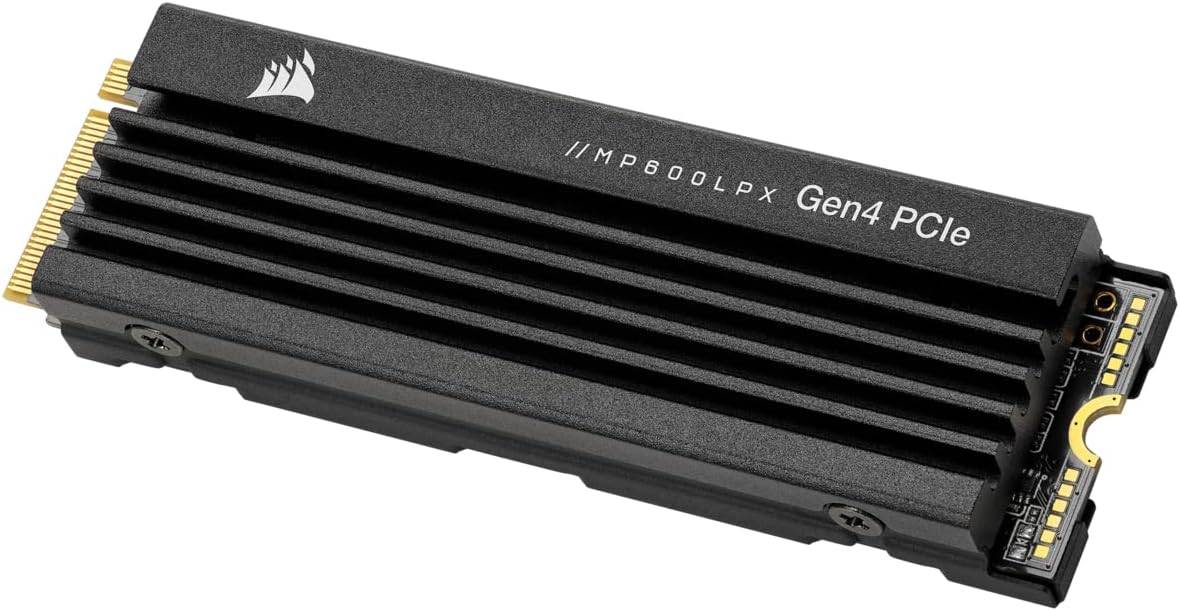
Our Top Pick
Corsair MP600 Pro LPX
✅ 7,500 MB/s read speed | 4TB capacity | Built-in heatsink | PCIe 4.0 | 5-year warranty
👉 See it at Amazon
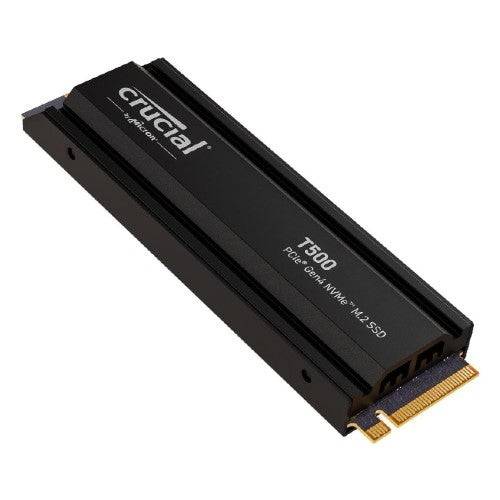
Crucial T500
✅ 7,450 MB/s read | 2TB option | Compact design | No heatsink (but fits under 11.25mm)
👉 See it at Amazon
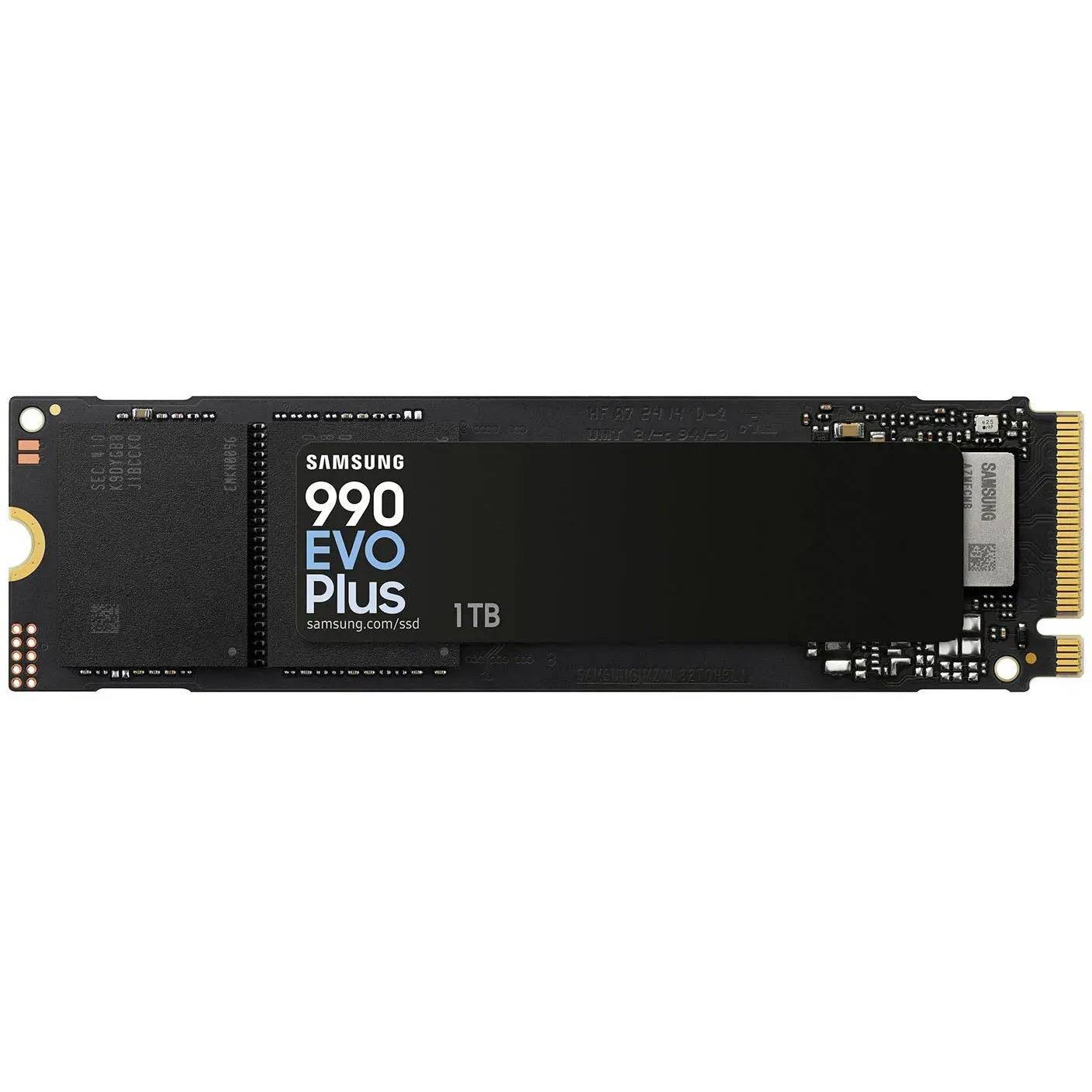
Samsung 990 Evo Plus
✅ 7,450 MB/s read | 4TB available | Excellent endurance | Premium Samsung reliability
👉 See it at Best Buy
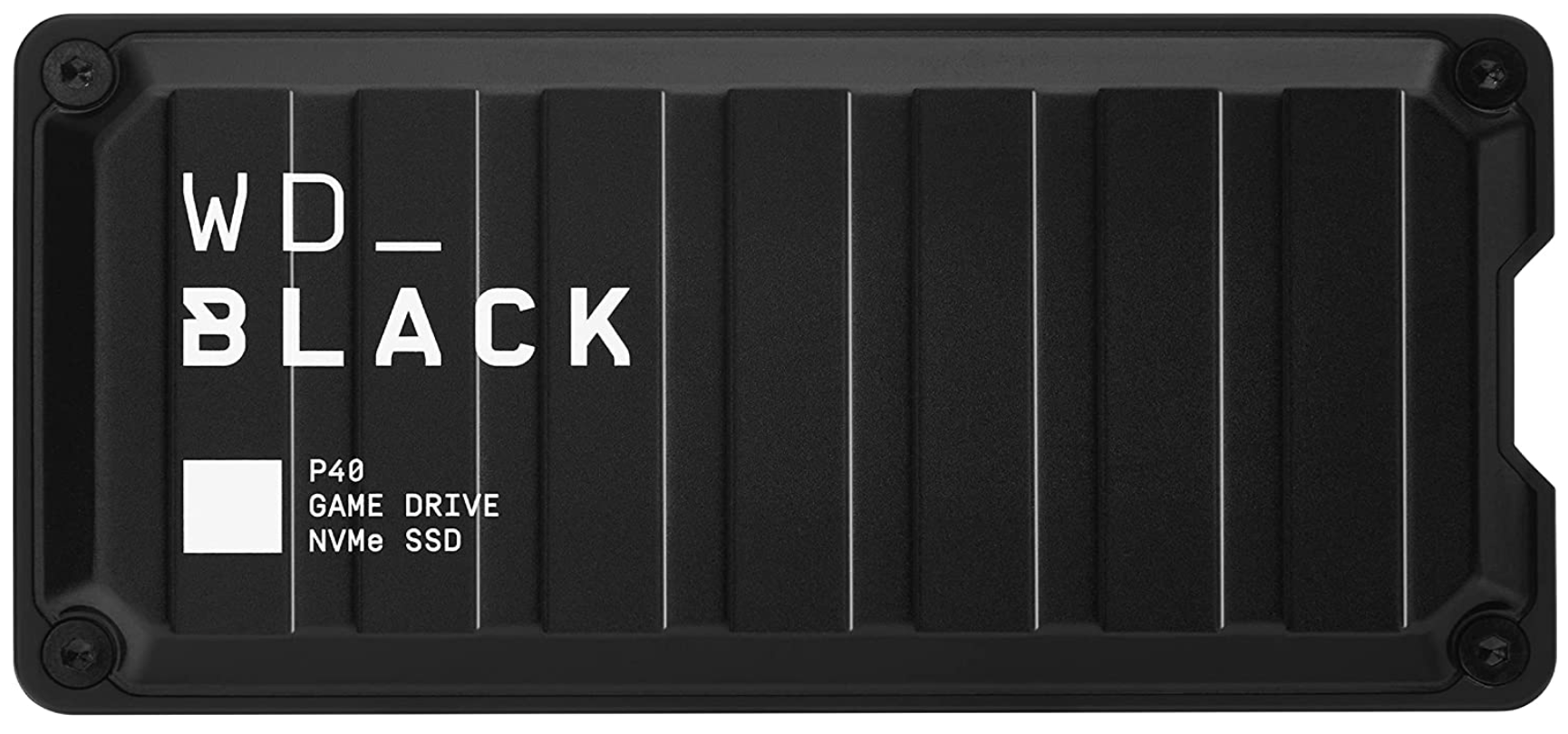
WD Black P40
✅ 7,300 MB/s read | 2TB/4TB options | Strong thermal performance | Ideal for heavy gamers
👉 See it at Amazon
✅ Key Requirements (Don’t Skip These!)
To ensure compatibility and peak performance, your SSD must meet three critical specs:
PCIe 4.0 or newer (Gen4) — Must support speeds up to 7,500 MB/s.
Avoid PCIe 3.0 drives (max 3,500 MB/s); they’ll underperform and throttle on the PS5’s high-speed bus.M.2 form factor — All sizes work (2230, 2242, 2260, 2280, etc.), but 2280 (22mm x 80mm) is the most common and widely available.
Heatsink height ≤ 11.25mm — The PS5’s SSD bay offers almost no airflow, so thermal throttling is a real risk.
Choose a drive with a built-in heatsink (like the Corsair MP600 Pro LPX or WD Black P40), or use a separate low-profile heatsink if needed.
💡 Pro Tip: Even top-tier SSDs can slow down under sustained gaming loads without proper cooling. Prioritize thermal management—your games will thank you.
📊 Answer & See Results
(Interactive polling component remains intact)
Final Thoughts:
The PS5’s expandable SSD support is one of its most underrated features. With the right drive, you’re not just adding space—you’re upgrading performance, reducing load times, and future-proofing your library. Whether you’re a speed demon, a game hoarder, or just want peace of mind with smart cooling, there’s a perfect SSD for you.
Upgrade your PS5 today—your next game deserves faster loading, not slower storage.
Let me know if you’d like this exported as HTML, optimized for a blog, or adapted into a social media post series!